Rest is Resistance: Honoring Black Women's Leadership in the Fight for Democracy
In her groundbreaking work Rest is Resistance, Tricia Hersey—founder of The Nap Ministry—offers a radical proposition: that in a system designed to extract, exploit, and exhaust us, rest itself becomes an act of resistance. For those of us working to counter democratic backsliding in the United States, Hersey's framework offers more than self-care advice: it provides a blueprint for sustainable resistance rooted in Black feminist wisdom.
As we observe Black History Month, it's critical to recognize that Black women have always been at the forefront of democracy movements in the U.S.—from Ida B. Wells documenting racial terror to Fannie Lou Hamer demanding voting rights to Stacey Abrams rebuilding democratic infrastructure. Yet their leadership is consistently erased, their labor taken for granted, and their need for rest ignored.
This isn't just a social justice issue; it's about making our neighborhoods, communities, and countries better and safer for everyone.
The WPS Lens: Why Rest Matters for Democratic Resilience:
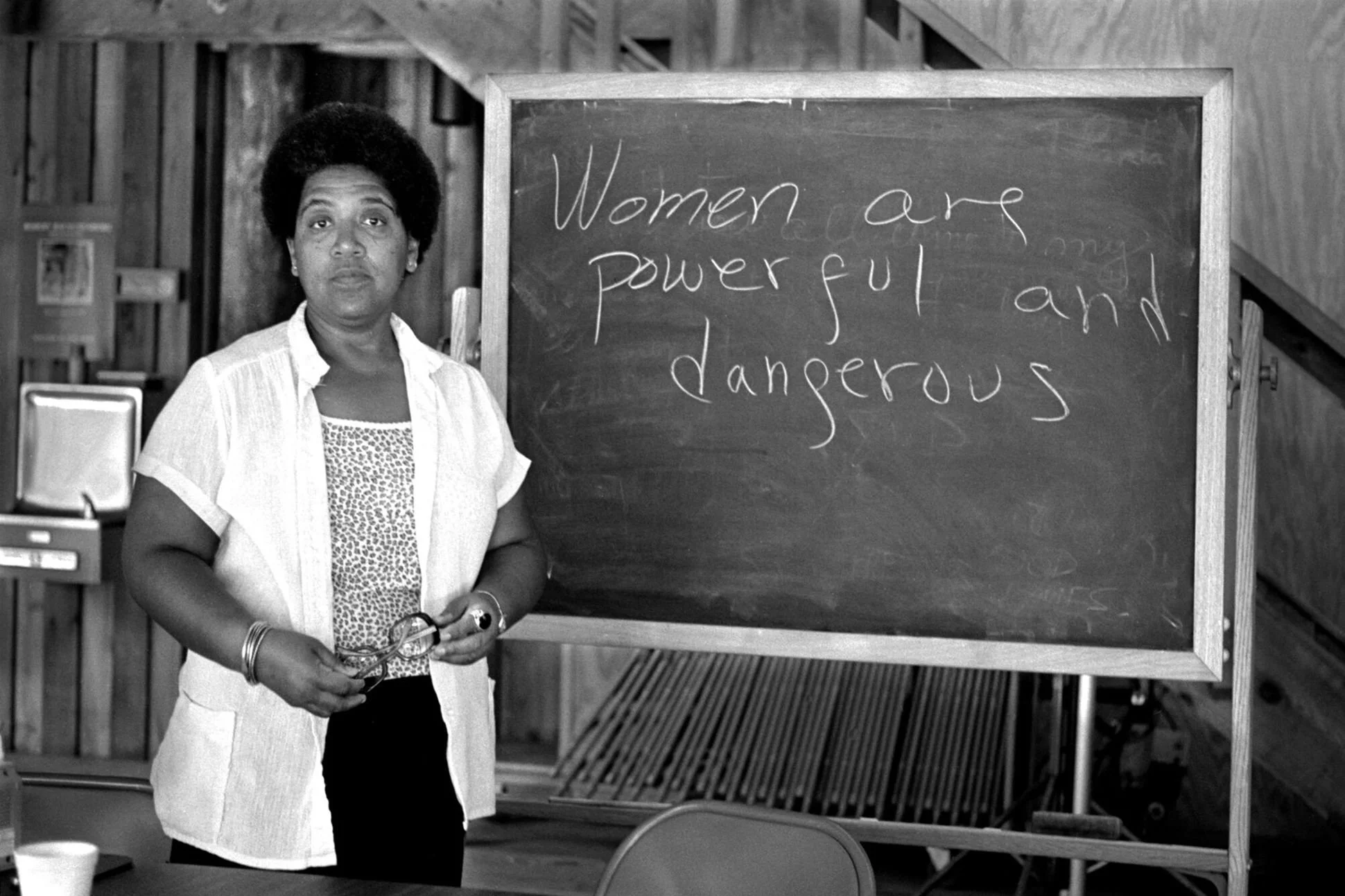
Audre Lorde
The Women, Peace and Security framework recognizes what research has proven time and again: societies are more stable, peaceful, and resilient when women with diverse experience and identities meaningfully participate in decision-making. But participation cannot be sustained without rest. Burnout is not a badge of honor; it's a threat to the movements we're building.
Hersey writes, “Rest is anything that connects your mind and body. Rest is a spiritual practice, a racial justice issue, and a social justice issue.” When we apply a WPS lens, we see how systems of oppression—white supremacy, patriarchy, capitalism—intersect to create what Hersey calls “grind culture,” a culture that disproportionately harms Black women and undermines their capacity to lead.
Consider the data: Black women are among the most politically engaged demographic in the United States, yet they experience higher rates of workplace discrimination, pay inequity, and health disparities. They are expected to save democracy while being denied the resources, recognition, and rest needed to sustain that work.
This extraction model doesn't just harm individuals—it weakens our collective capacity to respond to democratic threats and authoritarian advances.